
Revitalization of the Miami Culture – Indiana and Beyond
In celebration of Archaeology Month, Chautauqua-Wawasee will host “Bringing History Alive” with a program on the Revitalization of the Miami Culture: Indiana and Beyond. The presentation is free to attend outdoors at the Wawasee Area Conservancy Foundation Ruddell Pavilion, 11586 N State Route 13, Syracuse, IN, on Saturday, September 6 from 10 AM to Noon.
Logan York, Tribal Historic Preservation Officer of the Miami Tribe of Oklahoma, will discuss contemporary revitalization of Myaamia culture and review ancient Tribal history of Myaamiaki neehi Myaamionki: Miami People and Miami Land, including the Tribe’s removal to and establishment in Oklahoma. The present era of revitalization, including the Tribal processes and reasoning that underlay Myaamia strategies for cultural renewal, will be Logan’s focus. He will highlight contemporary Miami art and the artists who are significant contributors to Myaamia cultural revitalization.
Two regionally famous Myaamia artists, Dani Tippmann (fine basketry) and Katrina Mitten (beadwork), will be present to share samples of their art and to dialogue about their exquisite work for attendees to view both before and after the presentation.
About the Presenters
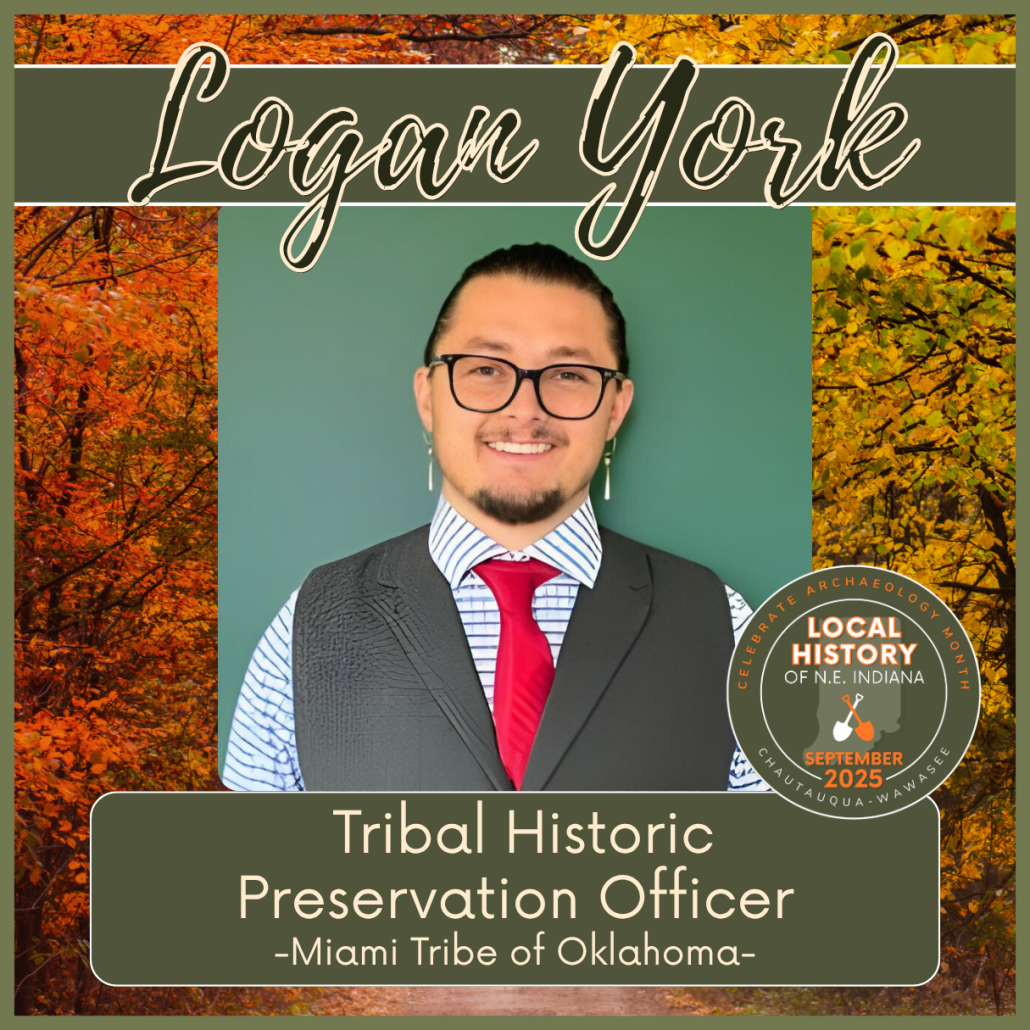
Logan York is the Tribal Historic Preservation Officer for the Miami Tribe of Oklahoma and a citizen of the Tribe. Logan is an active member of the Miami community, attending tribal events, stomp dances, and other cultural gatherings. He has a bachelor’s degree from Miami University in Anthropology with minors in History and Archaeology. Logan came to work for the Tribe in April of 2022 after previously working for Rebecca Hawkins, the consulting archaeologist for the Miami Tribe. As THPO, he is part of the Cultural Resources Office team that is located in the Miami ancestral homelands.
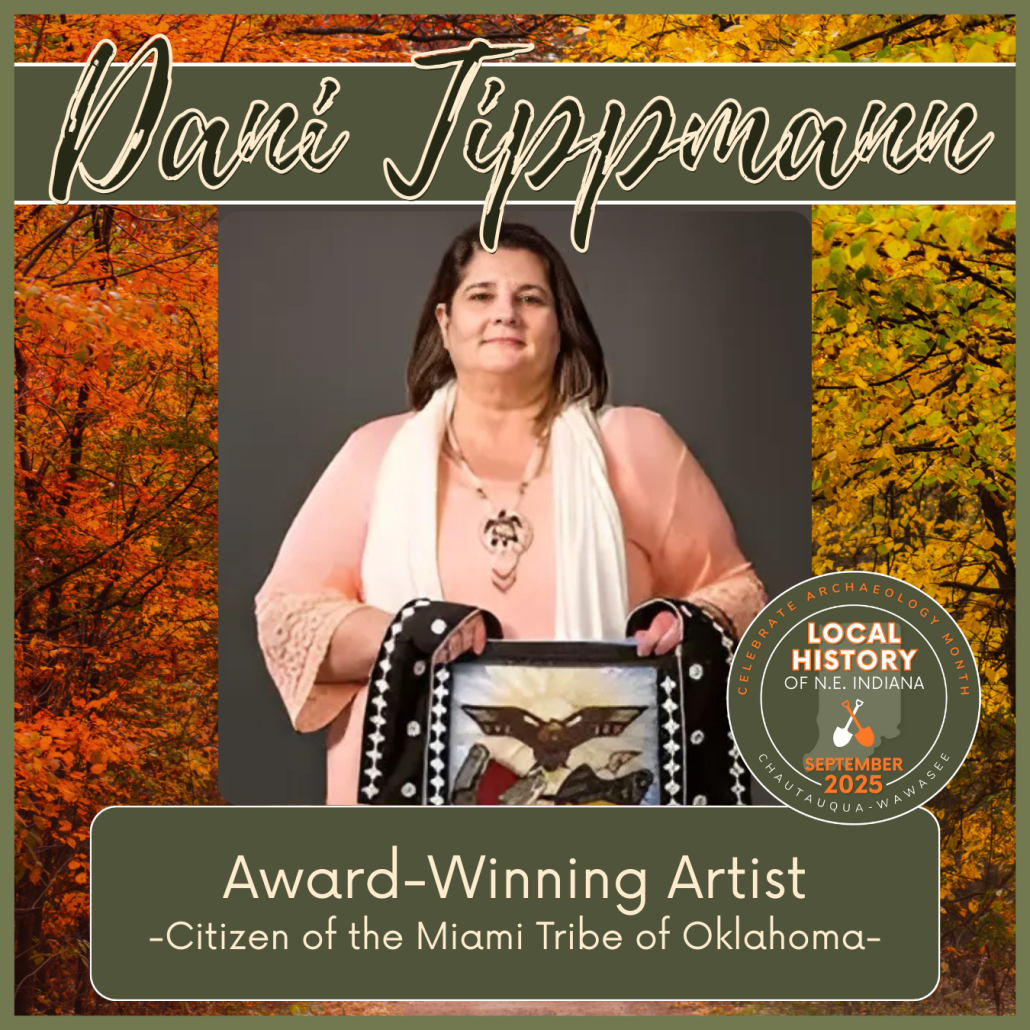
Dani Tippmann is a citizen of the Miami Tribe of Oklahoma and an award-winning artist who has been beading for more than 45 years. Her works have been acquired by the Miami Tribe of Oklahoma, the Smithsonian’s National Museum of the American Indian, the Smithsonian’s Renwick Gallery of American Art in Washington, D.C., and the Eiteljorg Museum of Native American and Western Art in Indianapolis, Indiana.
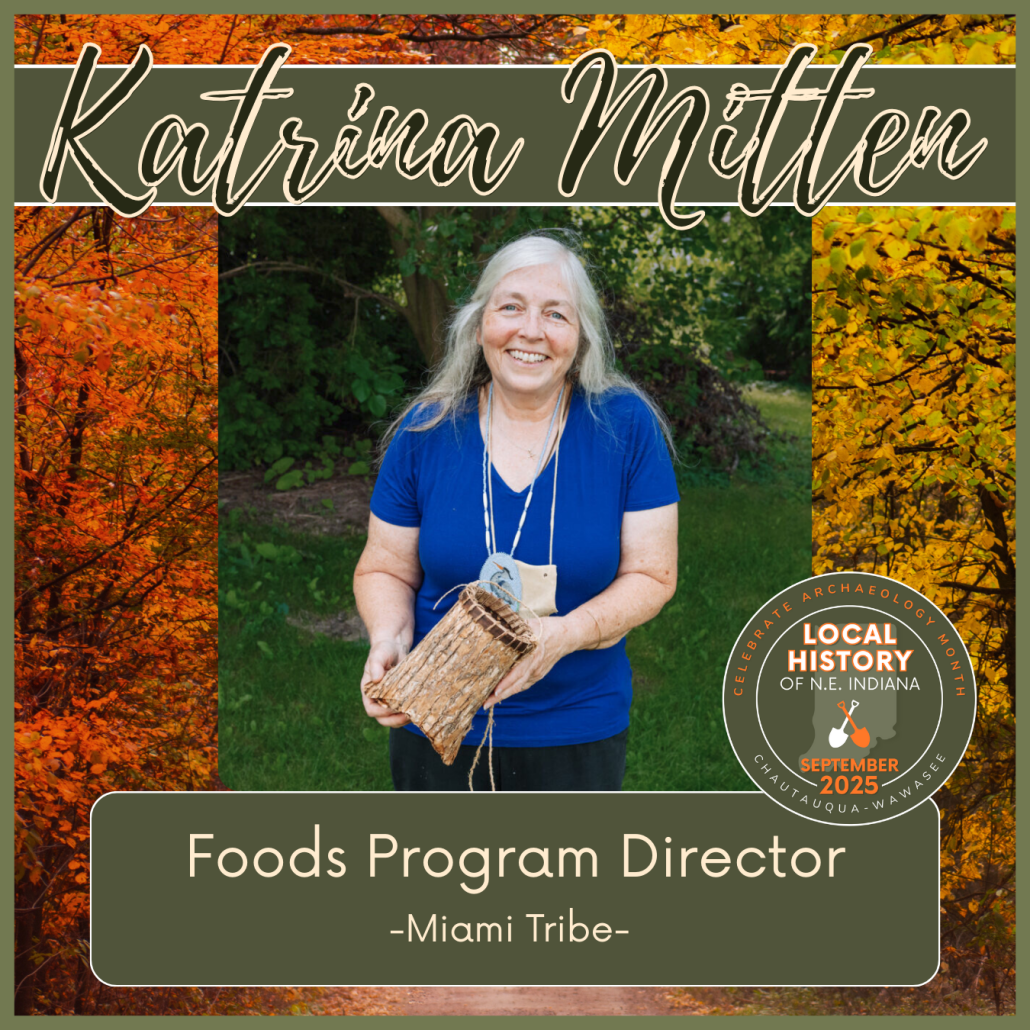
Katrina Mitten, Food Program Director for the Miami Tribe, a citizen of the Miami Tribe of Oklahoma, is descended from Takumwah and Chief Richardville. She was honored by the Eiteljorg Museum of Native and Western Art as Artist in Residence (in 2012, 2014, 2015, and 2024) for being a Plant Tradition Bearer and for her mastery in basketry that is made from the gift of nature’s plant world.
Why Attend?
Step into a living history experience that bridges the past and present of the Miami people. This unique program offers a rare opportunity to hear directly from Miami Tribal leaders and artists about their cultural revitalization, ancestral traditions, and vibrant contemporary art. Learn how centuries-old practices are being renewed, view exquisite basketry and beadwork up close, and connect with the stories that continue to shape the Myaamia identity today. Whether you’re passionate about history, Indigenous culture, or the arts, you’ll leave inspired, informed, and enriched.
More Information: Follow the Chautauqua-Wawasee Facebook page or call (574) 377-7543

